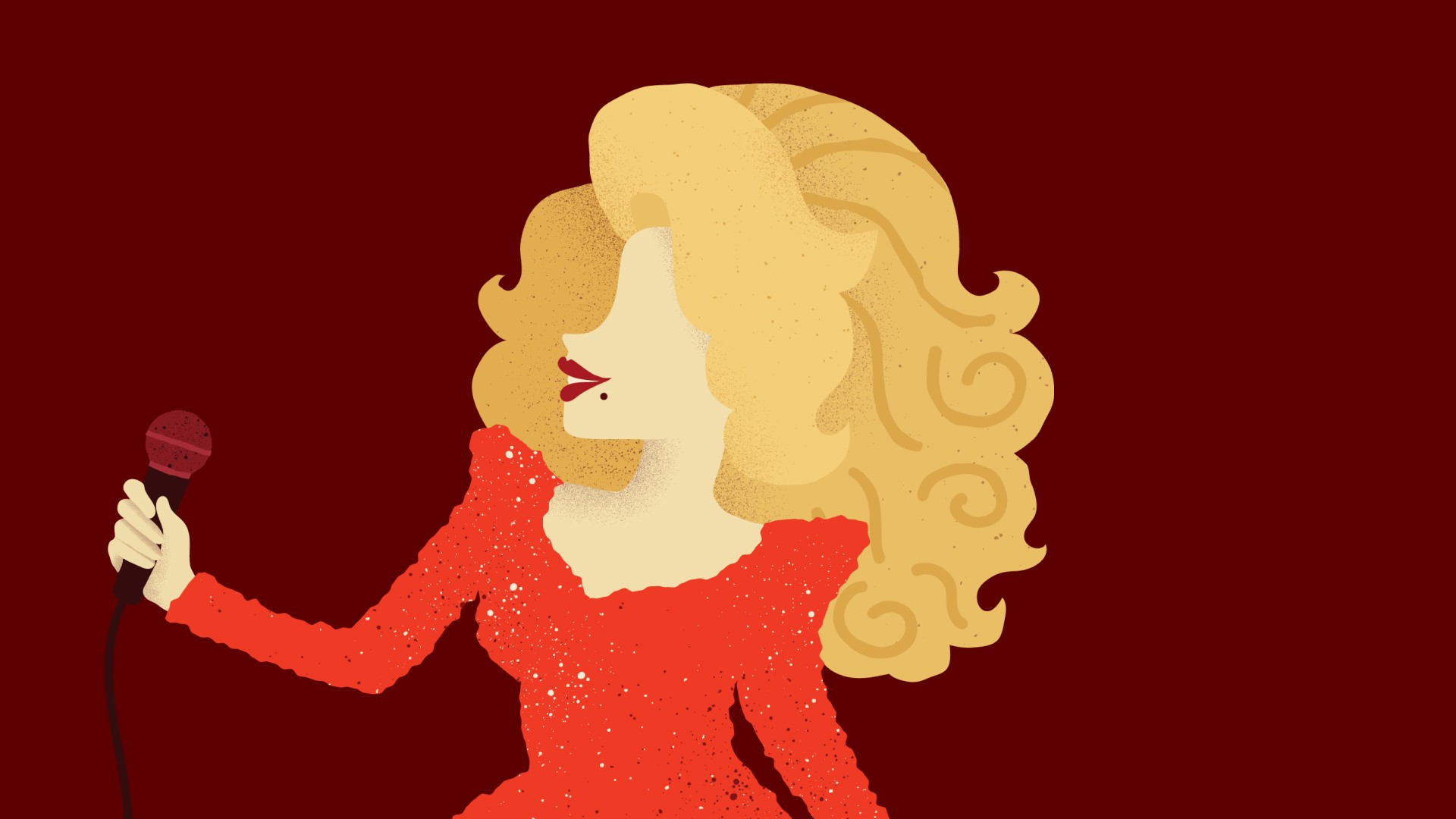

Anytime I get lost in the myriad of choices that need to be made when building a brand strategy for an organization, I come back to a quote from the great Dolly Parton. Stay with me and you’ll see how her perfect insight can help you develop deeper connections with your donors, partners, volunteers and the beneficiaries of your services. Ok, here it is:
“Find out who you are
and then do it on purpose.”Dolly Parton
I was reminded of Dolly’s quote a few months ago during a conversation with an executive director who had just received a large, out-of-the-blue gift from a donor. This was someone previously unknown to the organization. They weren’t in the organization’s database or on any of their lists. Evidently, this donor had been following the nonprofit for some time, done their research and felt like the organization’s mission, work and outcomes were aligned with their funding goals.
I’m sure if we conducted a brief poll of 100 development directors, 100% would classify this as an official dream situation!
While the ED marveled at how surprising this was, I quickly reminded him of all the work that they’d undertaken to date building their strategy:
- Getting clear about why the organization is best positioned to do this work (better than their peers)
- Building a distinctive visual identity
- Remaining extremely disciplined, ensuring all communication reinforced their strategy
While the gift seemingly came out of nowhere, the organization had laid the groundwork for it years earlier. How did they do it? I would argue that it begins with knowing who you are and doing it on purpose.
Let’s look at how this applies to a very early step in the brand-building process: positioning.
What is Brand Positioning?
There’s a lot that’s said about positioning, but the concept is actually pretty simple. Positioning is what we want the audience to think about our brand. It’s being intentional about what we choose to focus on and then how we to articulate it. Or more simply, you just need to “find out who you are and then do it on purpose.”
There are two aspects to your positioning—distinctiveness and differentiation. You need both.
distinctiveness
Distinctiveness is ultimately about how easy it is to recognize your organization. Or to use Dolly’s example, “Find out who you are.” When a donor sees your post or receives your appeal in the mail, do they instantly know it’s you before they read your name? How distinctive you are has to do with your unique brand assets, i.e., your name, tagline, logo, colors, fonts and visual communication style. Your voice. And to be distinctive, you must be disciplined about using these assets in every communication. Consistency is key.
diFFERENTIATION
Differentiation is what makes you meaningfully different from other organizations. Or again, to use Dolly’s words, it’s when you “do it on purpose.” It’s your brand’s DNA, beyond your visual identity and messaging. It’s your area of focus, your model, your theory of change. It’s the proof you have that you’re making an impact. It’s ultimately about making intentional choices that steer your audience to choose your organization over one of your peers.
“This is a very complicated world, it’s a very noisy world. And we’re not going to get a chance to get people to remember much about us.”
Steve Jobs
SO WHY DOES POSITIONING MATTER?
Well, for one, it’s extremely crowded out there, and you’re competing for attention. As Steve Jobs put it, it’s a noisy world, and people aren’t going to remember much about you. You have a limited opportunity to make an impression and to be remembered.
Also, the research on what helps people remember you backs this up. In a 2008 study, Adrian Sargeant found that traits like “caring” and “trustworthy” didn’t predict giving, because donors assume these apply to every nonprofit. What predicted giving was how distinctive the charity seemed. More recent work found that being familiar to donors makes them more willing to give, and that effect gets stronger when they also see you as remarkable.
Dialing in your positioning also has internal benefits for the organization. It’s the best way to filter the many opportunities you’ll face. For example, should you expand your programs to serve a new audience? It will guide your messaging, influence the stories you tell and the data you use to back them up.
CRAFT YOUR POSITIONING
While there are many different frameworks for developing your positioning, I’d recommend you start with the 3Cs model. In the linked post, Mark Ritson lays it out: “The Three Cs model—Consumer, Company, Competitor—is a foundational marketing framework that keeps positioning anchored in strategy rather than promotion.”
I’ll shift it here for a nonprofit audience:
- Understand what
consumersyour audiences want; - identify what your
companyorganization can genuinely deliver; - and ensure the offer is credible versus
competitorspeer organizations and other providers.
Then turn your 3Cs into a positioning statement. It’s best to start with positioning the entire organization, but you can also use this framework for a specific audience, program or campaign.
Here’s how it works:
- To: Your audience portrait (Who are we positioning for, and what do we know about them?)
- What: The thing I want to position (our organization, a program, a campaign).
- Vs: Insert the alternatives (another organization, a different cause, doing nothing, another provider or program)
- Is: A moment (when someone thinks about giving); how you do it (your model or method); what it does for them (the benefit to your audience); what they become linked to (what they will be associated with). You can pick more than one, but just picking one will be stronger and potentially easier to stick with.
- Because: The proof (Why should they believe you?)
To make this a little more real, let’s use a community foundation as an example. Here’s what the positioning might look like:
- To: Families and retirees in their 50s to 70s who give $10,000 or more a year and work with a financial advisor. They care about their community but don’t have time to research which nonprofits to give to.
- What: Our Community Foundation.
- Vs: Opening up a fund at Fidelity Charitable, Schwab or Vanguard, or writing out checks to individual nonprofits.
- Is: The people who best understand your community’s needs.
- Because: Our focus on four strategic priorities means you can be sure your gifts will move the needle on the causes you care about. We’ve made more than $300 million in grants to local nonprofits over the last 25 years and have the stories of transformation to back it up.
Keep in mind that your positioning is an internal tool and not an outward-facing message (that comes next!). That said, it should shape what you say and which stories you tell.
It’s easy to get lost in these exercises! If you do, just come back to Dolly, “Find out who you are and then do it on purpose.”
A few questions to get you started:
- Cover your logo. Would a donor still know an appeal is from you?
- What’s the one thing you want to be known for?
- What proof—stories and data—do you have that would convince a skeptical donor?